
CHOOSING SUPPORT
Men's Coaching, a Group Program or a Retreat: Which Fits You?
One-to-one coaching may suit you if you want private, focused support. A group program may suit you if you want structure and accountability alongside other men. A retreat may suit you if you want time away from your usual environment for guided reflection and outdoor experience.
The question is not which format is most powerful. It is which kind of support fits what you are working on, what you can commit to, and what you will put into practice afterward.
Start with what you want to change
"I want more confidence" is a starting point, but it does not tell you much about the support you need.
Make it more concrete. Are you avoiding difficult conversations? Agreeing to things you do not want to do? Making plans and dropping them? Feeling busy without knowing what the effort is for?
Choose one example from the past week. What happened? What did you do? What would you like to handle differently next time?
That gives a coaching conversation somewhere useful to begin. You do not need a complete explanation of your life before asking for support.
One-to-one coaching: space for your specific situation
Individual coaching gives you time to work directly with a coach on your goals, choices and recurring patterns. The conversation can stay focused on what matters to you, rather than following a shared group agenda.
It may fit if you want privacy, need room to discuss something in detail, or prefer a more individually paced process.
At The Grounded Warrior, one-to-one coaching with Phil Horning focuses on clarity, values, practical action and accountability. Session length and frequency are agreed during the discovery process. Ask about current meeting arrangements and availability rather than assuming a particular schedule or location.
A useful session should help you connect reflection with something you can do in ordinary life. For example, that might mean preparing for a conversation, setting a boundary, or following through on a commitment you have been avoiding.
Before committing, ask:
- How will we decide what to work on?
- What will I be expected to practice between sessions?
- How will we review whether this is useful for me?
Group coaching: structure and work alongside other men
A group program brings people together around a shared process. You have opportunities to talk, listen, receive feedback and return to the commitments you made between meetings.
That can be useful if you tend to keep everything to yourself or find it difficult to follow through without regular support. It also requires a willingness to participate. Being in a group is not the same as doing the work.
The Forge is The Grounded Warrior's six-week group program, delivered on Zoom. It combines live group sessions, reflective work and accountability. The current weekly commitment is a two-hour live call plus one to two hours of personal work.
Six weeks is the program's duration, not a deadline for resolving every habit or pattern. Ask what the program covers, how much time it requires, and what you can continue practicing after it ends.
Before committing, ask:
- What are the group agreements around privacy and participation?
- How much time should I allow between meetings?
- When does the next group begin, and is it a good fit for what I need?
A wilderness retreat: time away, with a plan for returning
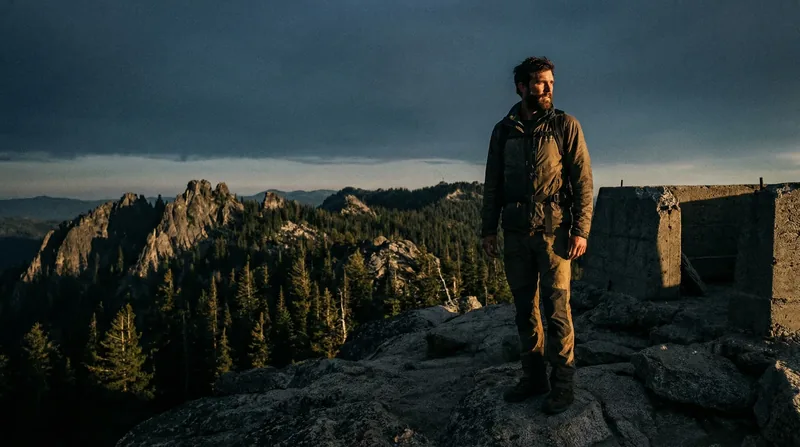
A retreat changes the setting. You step away from familiar routines and spend time outdoors with guided reflection and shared activities.
That may suit you if you want a concentrated experience outside your usual environment and are comfortable with the format and physical demands. It does not make a retreat automatically better than regular coaching or time spent reflecting at home.
The Grounded Warrior's wilderness retreats run for four days and three nights, with outdoor activities, reflection and guided group work. The current retreat information describes hiking five to eight miles a day, sleeping outdoors and disconnecting from technology. Current dates, locations, requirements and availability should be checked before making plans.
The question to carry into a retreat is not just "What might I discover?" It is also "What will I do with that when I return?"
Before committing, ask:
- What physical activities and conditions should I expect?
- What is included, and what travel or equipment will I need to arrange?
- How will I turn what I learn into action after the retreat?
How to choose a starting point
If you want private attention for a particular situation, consider one-to-one coaching. If you want a shared structure and are ready to participate with others, consider a group. If you want an outdoor experience away from your routine, consider a retreat after checking its practical requirements.
You do not have to choose the most intensive option to take the work seriously. Ask about any prerequisites before committing, rather than assuming that one program automatically leads into another.
Consider your time, budget, comfort with a group and ability to follow through. An experience you can engage with and apply afterward is more useful than a format you choose because it sounds impressive.
If you are not ready to commit, start with something smaller. The Morning Protocol offers a practical morning framework. The Core Values Discovery Workbook gives you questions for identifying what matters to you. Both are free resources requested through an email form.
Where coaching has limits
Coaching does not diagnose or treat mental health conditions, addiction or trauma, and is not a substitute for therapy or medical care.
If those concerns are part of what you are facing, speak with a qualified healthcare professional about appropriate support. You can also ask a prospective coach to explain their scope and when they would recommend another form of help.
The aims here are clearer choices, useful reflection and practical action. Progress varies. No format can promise confidence, purpose or leadership simply because you attend.
Not sure which format fits?
You do not need to know the answer before reaching out. Tell Phil what you want to work on, what you have already tried, and what kind of support you think would help.
Apply for a free discovery call to discuss the available options. If you prefer to ask a question first, email info@groundedwarrior.net.